


Enhanced GNSS/INS Receiver
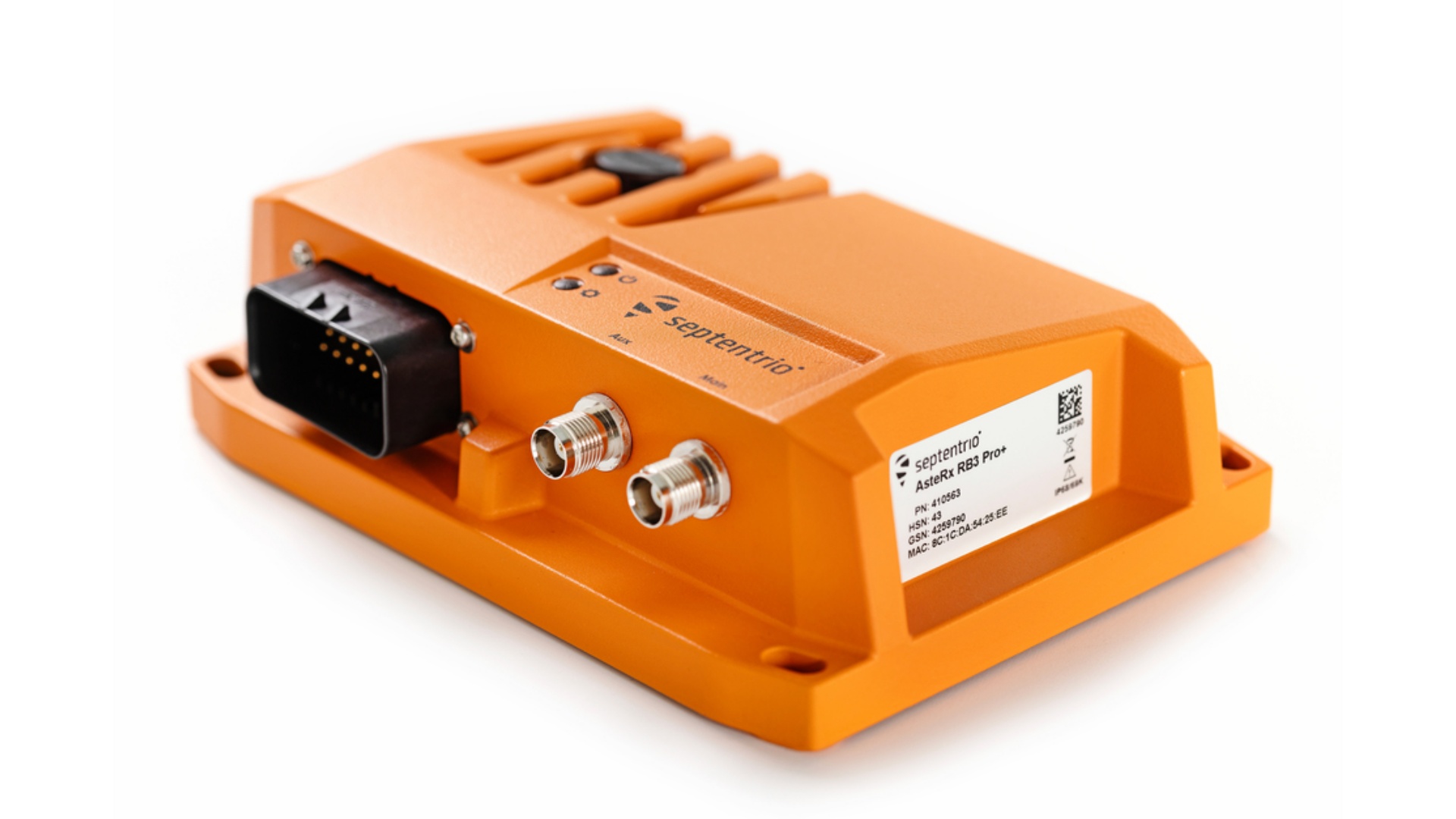
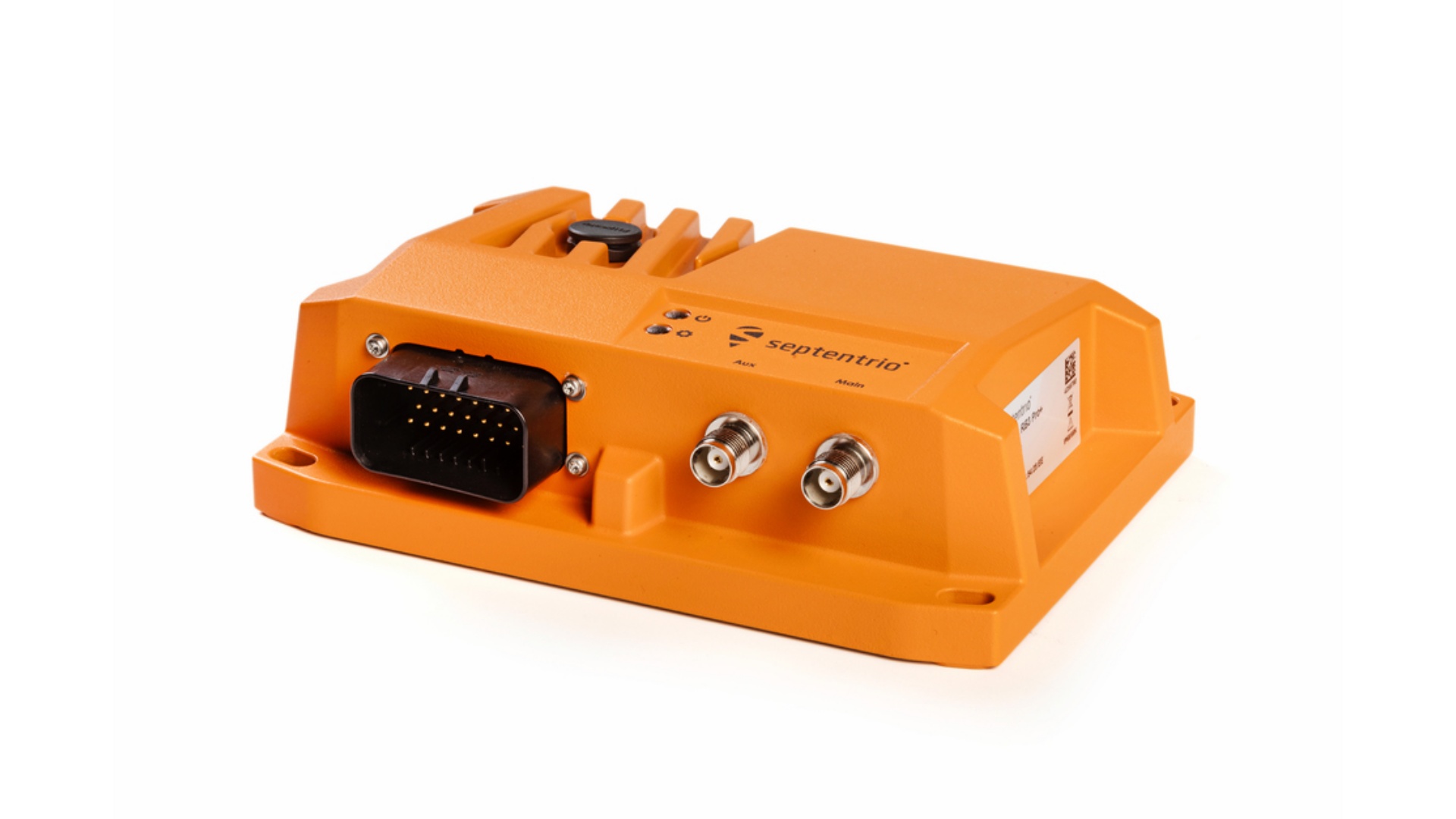
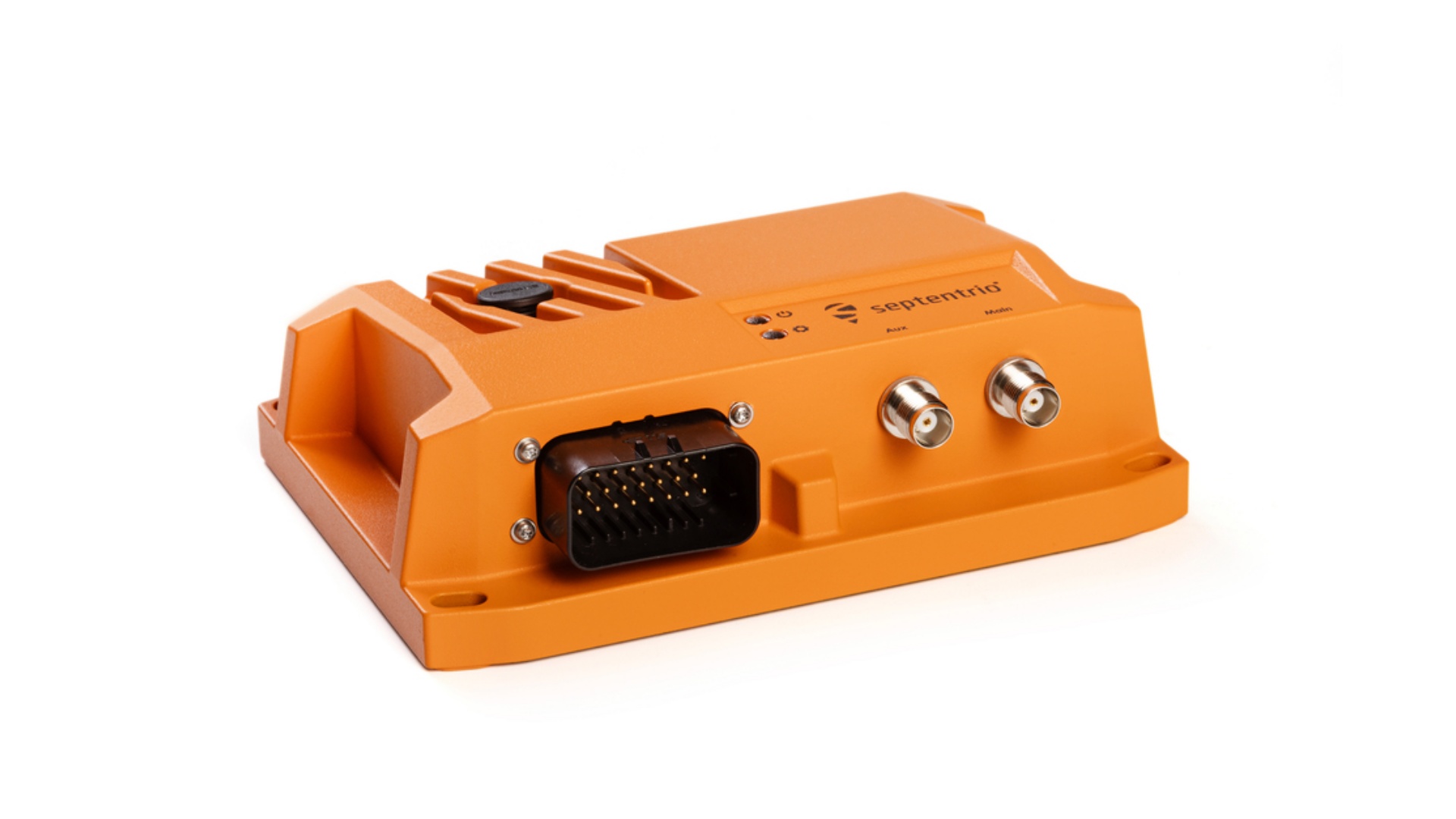
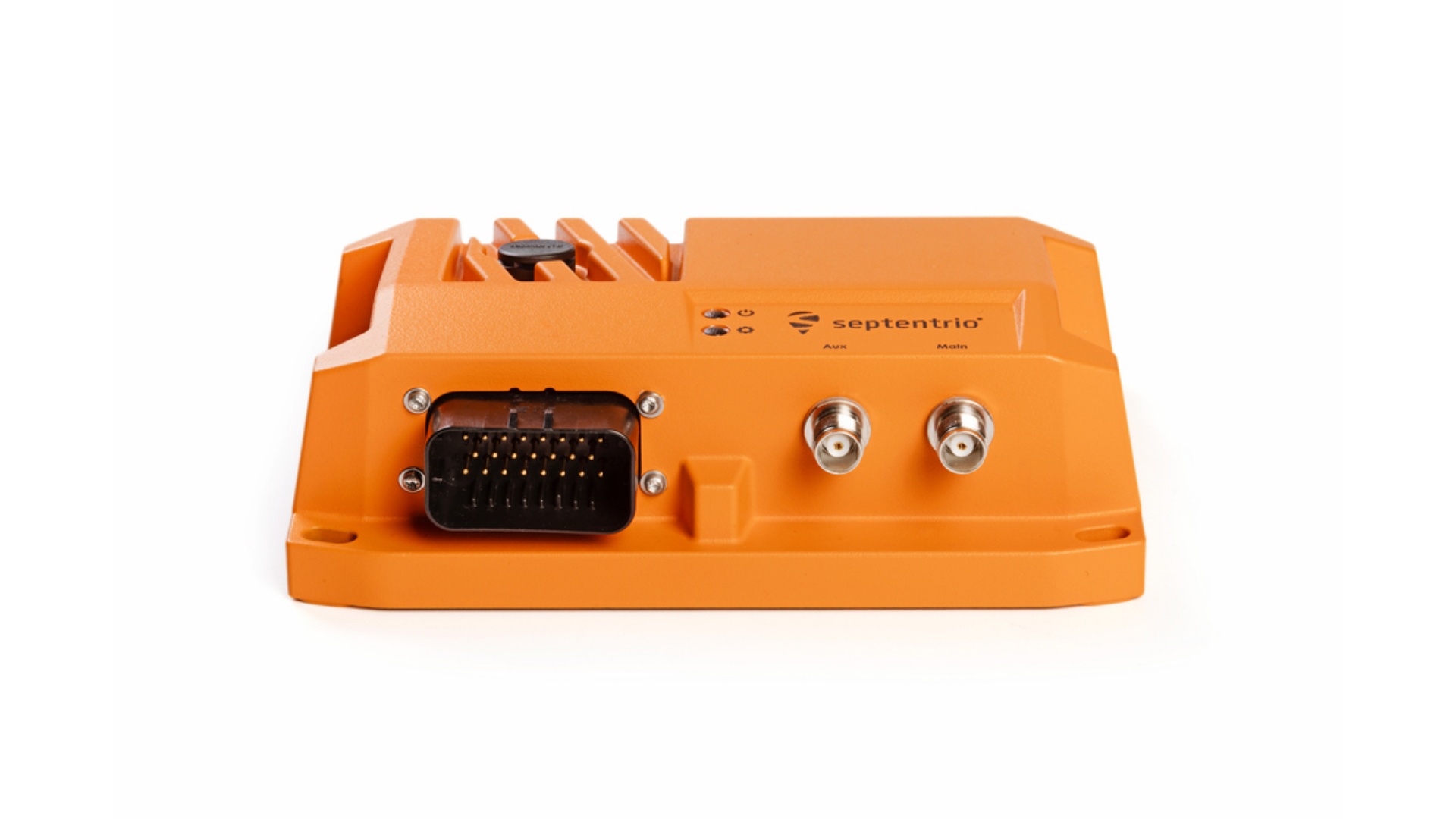
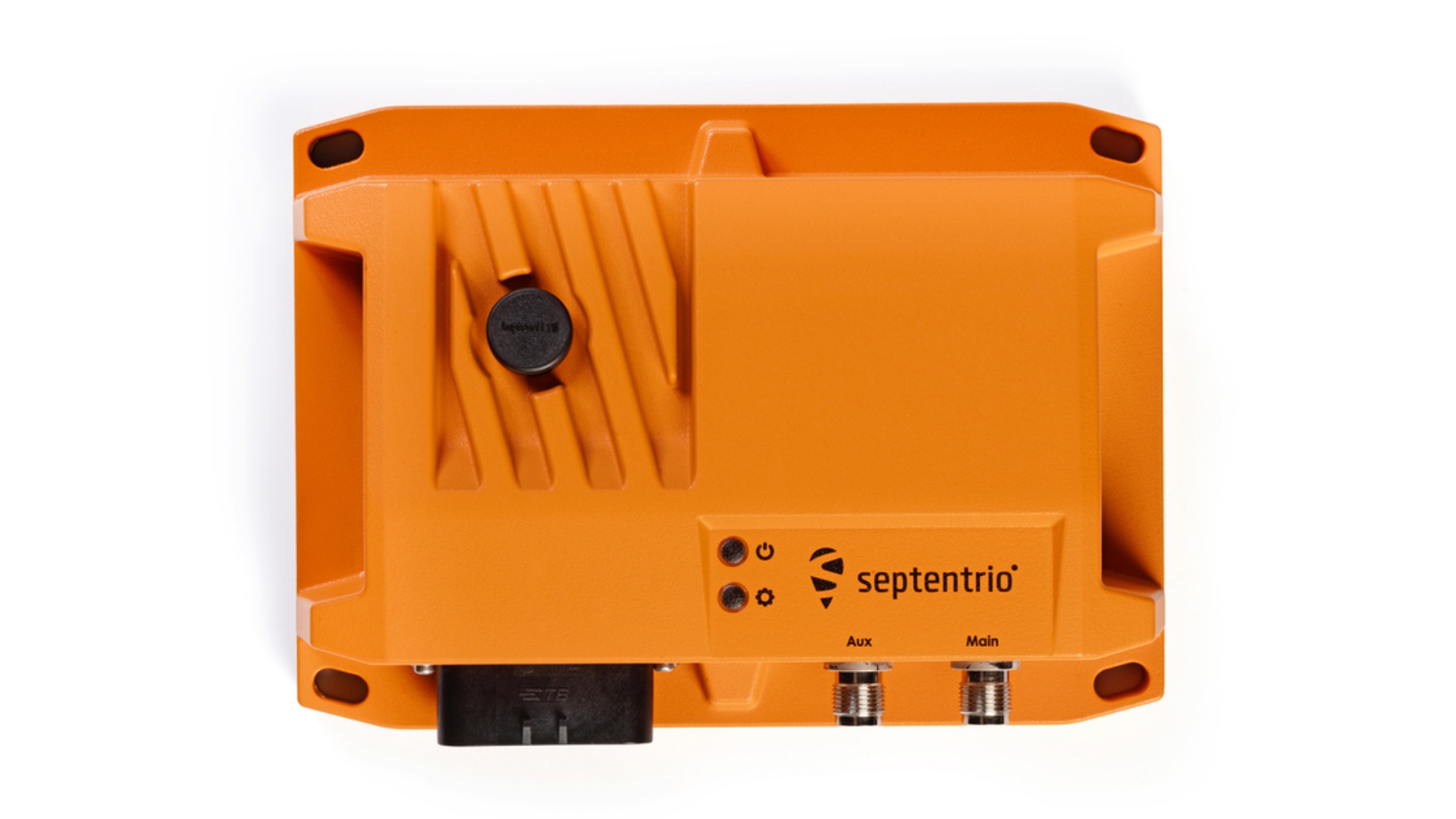
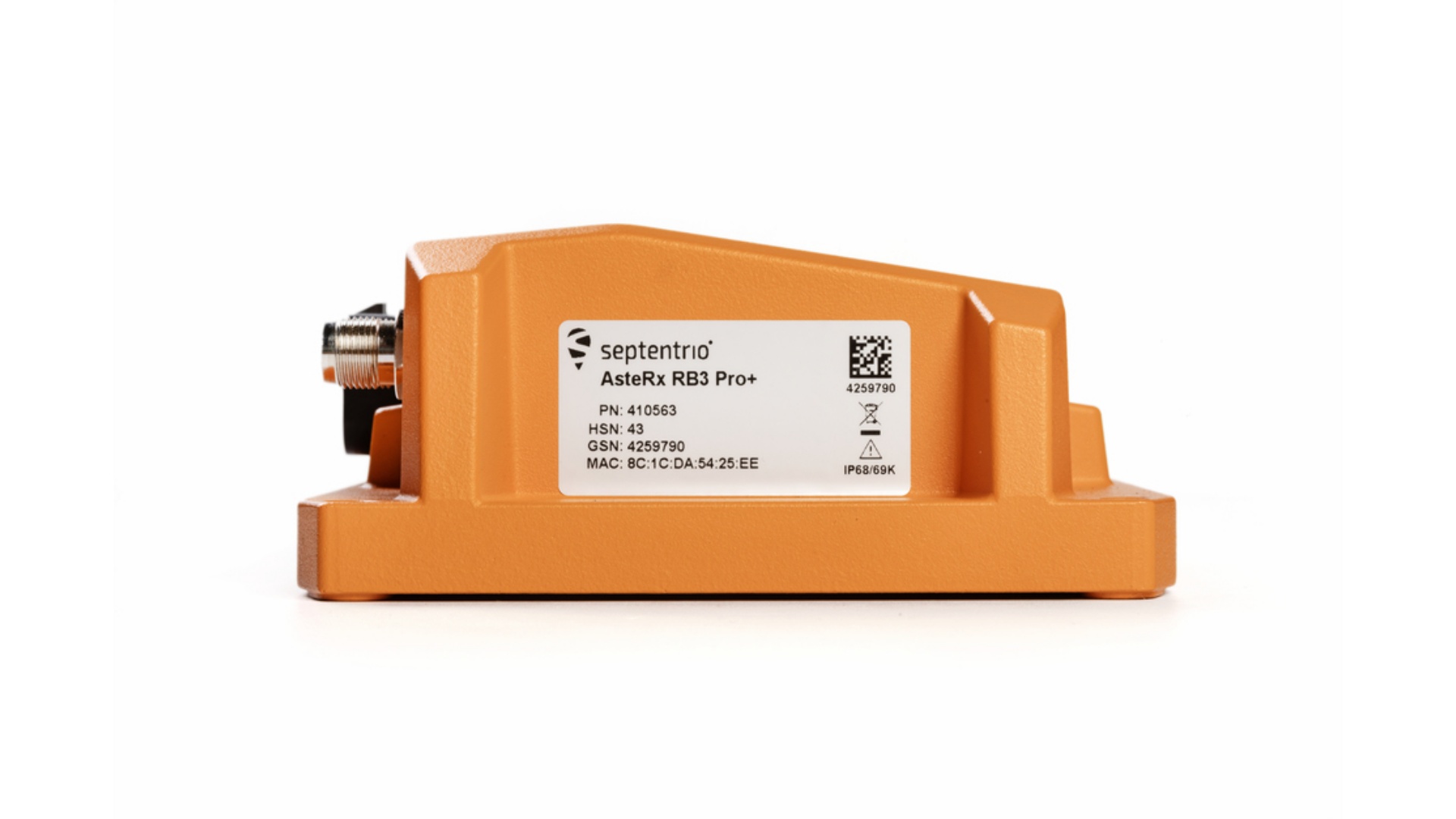
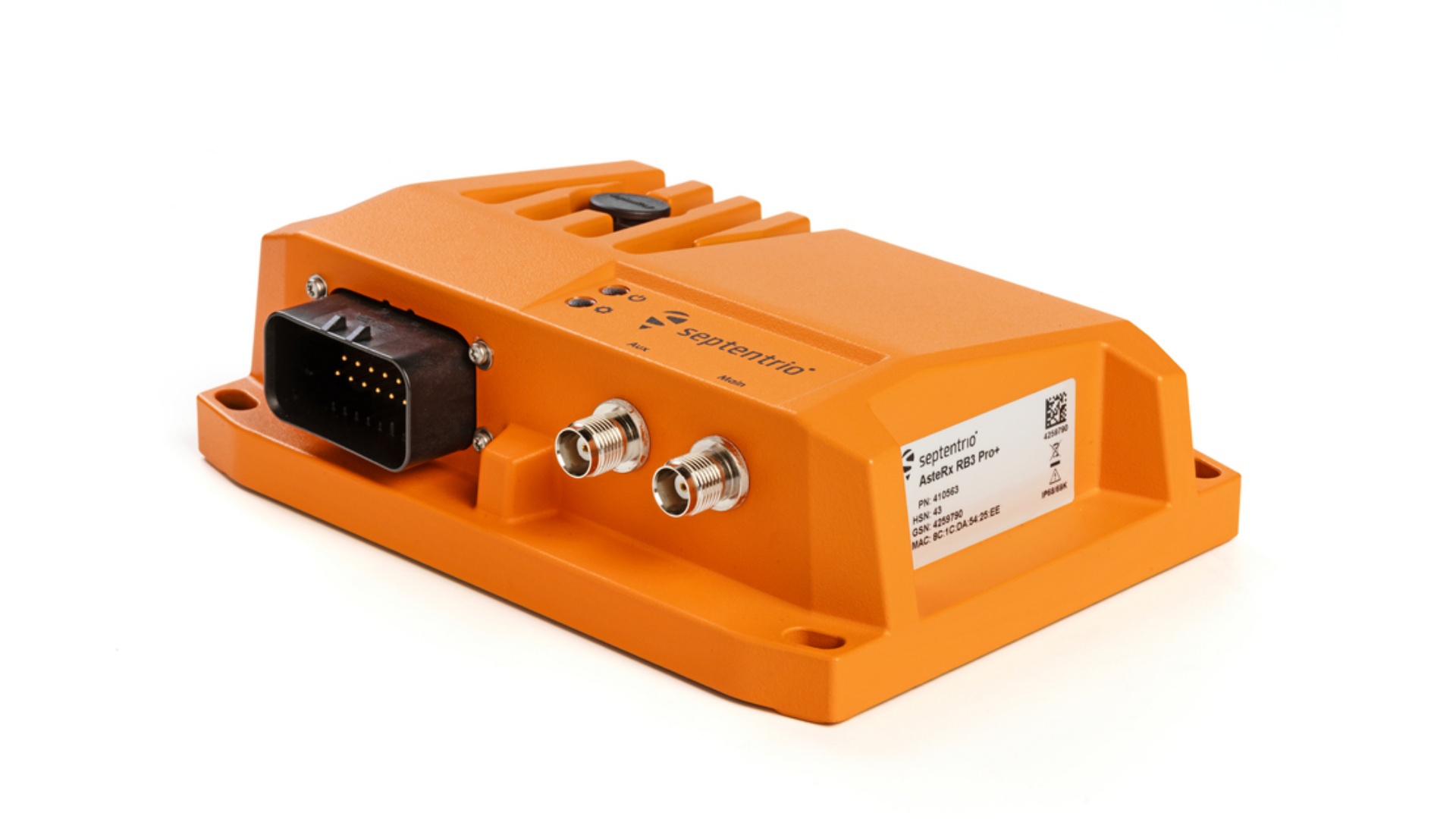
The AsteRx RBi3 Pro is a high-performance multi-frequency GNSS/INS receiver delivering reliable centimeter-level positioning together with precise orientation. It is engineered to operate in the harshest environments, withstanding extreme temperatures, corrosion, shock, and vibration for dependable field performance.
Sporting AIM+, IONO+, APME+, RAIM+, FUSE+ and LOCK+ tech that safeguards against intentional and unintentional interference. It actively detects and mitigates a wide range of jamming sources, ensuring uninterrupted, high-precision GNSS performance.
Designed for seamless integration, the receiver offers fully documented interfaces, commands, and data messages. Open tools such as WebUI and RxTools simplify configuration, monitoring, and control within any system.
Key Strengths
Precise heading with dual-antenna option: With optional dual-antenna support, the AsteRx RBi3 Pro delivers precise, position-independent heading combined with centimeter-level RTK accuracy. GNSS-based heading performs reliably in both static and dynamic conditions, eliminating dependence on vehicle motion or magnetic sensors.
Continuous positioning with integrated INS: The integrated inertial navigation system (INS) maintains positioning continuity during temporary GNSS outages, such as signal blockages. This ensures stable and reliable output even in challenging conditions where satellite visibility is limited.
Reliable positioning in harsh environments: The ultra-rugged design, combined with advanced multi-frequency tracking and GNSS+ technologies, ensures consistent accuracy in chemically aggressive environments and under high mechanical stress. It is built for applications where reliability cannot be compromised.
Applications
- Construction
- Logistics & Port Operations
- Mining
- Automation
KEY FEATURES
- Rugged and durable IP69K housing
- High-accuracy RTK positioning with all-in-view, GNSS multi-frequency satellite tracking
- Inertial sensor provides heading, pitch, roll angles
- Sub-degree GNSS heading option
- GNSS+ algorithms ensure reliable performance in difficult environments
544 Hardware channels for simultaneous tracking of most visible signals
- GPS: L1 C/A, L1C, L2C, L2 P, L5
- GLONASS: L1 C/A, L2C/A
- BeiDou: B1I, B2I, B3
- Galileo: E1, E5a, E5b
- QZSS: L1C/A, L2C, L5
- SBAS: EGNOS, WAAS, GAGAN, MSAS, SDCM
Septentrio’s patented GNSS+ technologies
- AIM+ industry leading anti-jamming, anti-spoofing interference monitoring & mitigation technology
- APME+ a posteriori multipath estimator for code and phase multipath mitigation
- LOCK+ superior tracking robustness under heavy mechanical shocks or vibrations
- IONO+ advanced scintillation mitigation
- RAIM+ (Receiver Autonomous Integrity Monitoring)
| RTK Performance | ||||
|---|---|---|---|---|
| Hor Accuracy | Ver Accuracy | Initialisation | ||
| 0.6 cm + 0.5 ppm | 1 cm + 1 ppm | 7 s | ||
| GNSS Attitude Accuracy | ||||
| Antenna Separation | Heading | Pitch/Rol | ||
| 1m | 0.15° | 0.25° | ||
| 5m | 0.03° | 0.05° | ||
| Position Accuracy | ||||
| Horizontal | Vertical | |||
| Standalone | 1.2 m | 1.9 m | ||
| SBAS | 0.6 m | 0.8 m | ||
| DGNSS | 0.4 m | 0.7 m | ||
| Maximum Update Rate | ||||
| Position | Measurements | |||
| 100 Hz | 100 Hz | |||
| Time Precision | ||||
| xPPS Out | Event Accuracy | |||
| 5 ns | < 20 ns | |||
| Time-to-first-fix (TTFF) | ||||
| Cold Start | Warm Start | Re-acquisition | ||
| < 45 s | < 20 s | avg. 1 s | ||
| Tracking Performance (C/N0 Threshold) | ||||
| Tracking | Acquisition | |||
| 20 dB-Hz | 33 dB-Hz | |||
| Other Metrics | ||||
| Velocity Accuracy | Latency | |||
| 0.03 m/s | < 10 ms | |||
Formats
- Septentrio Binary Format (SBF), fully documented with sample parsing tools
- NMEA 0183, v3.01, v4.0
- RTCM v2.x, v3.x (MSM messages included)
- CMR v2.0 and CMR+ (CMR+ input only)
Connectivity
- 2 x RS232
- USB full speed (device)
- CAN/CAN-FD
- Ethernet 10/100Mbps
- 2 x Event markers
- xPPS out
SUPPORTING COMPONENTS
- Embedded Web UI with full control and monitoring functionality.
- RxTools, a complete and intuitive GUI tool set for receiver control, monitoring, data analysis and conversion.
- GNSS receiver communication SDK. Available for both Windows and Linux
| SWaP | ||||
|---|---|---|---|---|
| Size | Weight | Input voltage | ||
| 168 x 118 x 51 mm | 850 g | 9 to 32 VDC | ||
| Power Consumption | ||||
| GPS/GLO L1/L2 | All signals, all GNSS constellations | Maximum | ||
| 1.1 W | 1.3 W | 2.5 W | ||
| Connectors | ||||
| Antenna | IO Interfaces | |||
| 2 x TNC | 23-pin TE AmpSeal | |||
| Antenna LNA power output on TNC | ||||
| Output voltage | Maximum current | |||
| 5 VDC | 150 mA | |||
| Environmental | ||||
| Operating temperature | Ingress protection | Vibration | Shock | |
| -40°C to +70°C | IP69K with mated connectors | ISO16750-3 | ISO16750-3 | |
Enhanced GNSS/INS Receiver
The AsteRx RBi3 Pro is a high-performance multi-frequency GNSS/INS receiver delivering reliable centimeter-level positioning together with precise orientation. It is engineered to operate in the harshest environments, withstanding extreme temperatures, corrosion, shock, and vibration for dependable field performance.
Sporting AIM+, IONO+, APME+, RAIM+, FUSE+ and LOCK+ tech that safeguards against intentional and unintentional interference. It actively detects and mitigates a wide range of jamming sources, ensuring uninterrupted, high-precision GNSS performance.
Designed for seamless integration, the receiver offers fully documented interfaces, commands, and data messages. Open tools such as WebUI and RxTools simplify configuration, monitoring, and control within any system.
Key Strengths
Precise heading with dual-antenna option: With optional dual-antenna support, the AsteRx RBi3 Pro delivers precise, position-independent heading combined with centimeter-level RTK accuracy. GNSS-based heading performs reliably in both static and dynamic conditions, eliminating dependence on vehicle motion or magnetic sensors.
Continuous positioning with integrated INS: The integrated inertial navigation system (INS) maintains positioning continuity during temporary GNSS outages, such as signal blockages. This ensures stable and reliable output even in challenging conditions where satellite visibility is limited.
Reliable positioning in harsh environments: The ultra-rugged design, combined with advanced multi-frequency tracking and GNSS+ technologies, ensures consistent accuracy in chemically aggressive environments and under high mechanical stress. It is built for applications where reliability cannot be compromised.
Applications
- Construction
- Logistics & Port Operations
- Mining
- Automation
KEY FEATURES
- Rugged and durable IP69K housing
- High-accuracy RTK positioning with all-in-view, GNSS multi-frequency satellite tracking
- Inertial sensor provides heading, pitch, roll angles
- Sub-degree GNSS heading option
- GNSS+ algorithms ensure reliable performance in difficult environments
544 Hardware channels for simultaneous tracking of most visible signals
- GPS: L1 C/A, L1C, L2C, L2 P, L5
- GLONASS: L1 C/A, L2C/A
- BeiDou: B1I, B2I, B3
- Galileo: E1, E5a, E5b
- QZSS: L1C/A, L2C, L5
- SBAS: EGNOS, WAAS, GAGAN, MSAS, SDCM
Septentrio’s patented GNSS+ technologies
- AIM+ industry leading anti-jamming, anti-spoofing interference monitoring & mitigation technology
- APME+ a posteriori multipath estimator for code and phase multipath mitigation
- LOCK+ superior tracking robustness under heavy mechanical shocks or vibrations
- IONO+ advanced scintillation mitigation
- RAIM+ (Receiver Autonomous Integrity Monitoring)
| RTK Performance | ||||
|---|---|---|---|---|
| Hor Accuracy | Ver Accuracy | Initialisation | ||
| 0.6 cm + 0.5 ppm | 1 cm + 1 ppm | 7 s | ||
| GNSS Attitude Accuracy | ||||
| Antenna Separation | Heading | Pitch/Rol | ||
| 1m | 0.15° | 0.25° | ||
| 5m | 0.03° | 0.05° | ||
| Position Accuracy | ||||
| Horizontal | Vertical | |||
| Standalone | 1.2 m | 1.9 m | ||
| SBAS | 0.6 m | 0.8 m | ||
| DGNSS | 0.4 m | 0.7 m | ||
| Maximum Update Rate | ||||
| Position | Measurements | |||
| 100 Hz | 100 Hz | |||
| Time Precision | ||||
| xPPS Out | Event Accuracy | |||
| 5 ns | < 20 ns | |||
| Time-to-first-fix (TTFF) | ||||
| Cold Start | Warm Start | Re-acquisition | ||
| < 45 s | < 20 s | avg. 1 s | ||
| Tracking Performance (C/N0 Threshold) | ||||
| Tracking | Acquisition | |||
| 20 dB-Hz | 33 dB-Hz | |||
| Other Metrics | ||||
| Velocity Accuracy | Latency | |||
| 0.03 m/s | < 10 ms | |||
Formats
- Septentrio Binary Format (SBF), fully documented with sample parsing tools
- NMEA 0183, v3.01, v4.0
- RTCM v2.x, v3.x (MSM messages included)
- CMR v2.0 and CMR+ (CMR+ input only)
Connectivity
- 2 x RS232
- USB full speed (device)
- CAN/CAN-FD
- Ethernet 10/100Mbps
- 2 x Event markers
- xPPS out
SUPPORTING COMPONENTS
- Embedded Web UI with full control and monitoring functionality.
- RxTools, a complete and intuitive GUI tool set for receiver control, monitoring, data analysis and conversion.
- GNSS receiver communication SDK. Available for both Windows and Linux
| SWaP | ||||
|---|---|---|---|---|
| Size | Weight | Input voltage | ||
| 168 x 118 x 51 mm | 850 g | 9 to 32 VDC | ||
| Power Consumption | ||||
| GPS/GLO L1/L2 | All signals, all GNSS constellations | Maximum | ||
| 1.1 W | 1.3 W | 2.5 W | ||
| Connectors | ||||
| Antenna | IO Interfaces | |||
| 2 x TNC | 23-pin TE AmpSeal | |||
| Antenna LNA power output on TNC | ||||
| Output voltage | Maximum current | |||
| 5 VDC | 150 mA | |||
| Environmental | ||||
| Operating temperature | Ingress protection | Vibration | Shock | |
| -40°C to +70°C | IP69K with mated connectors | ISO16750-3 | ISO16750-3 | |